

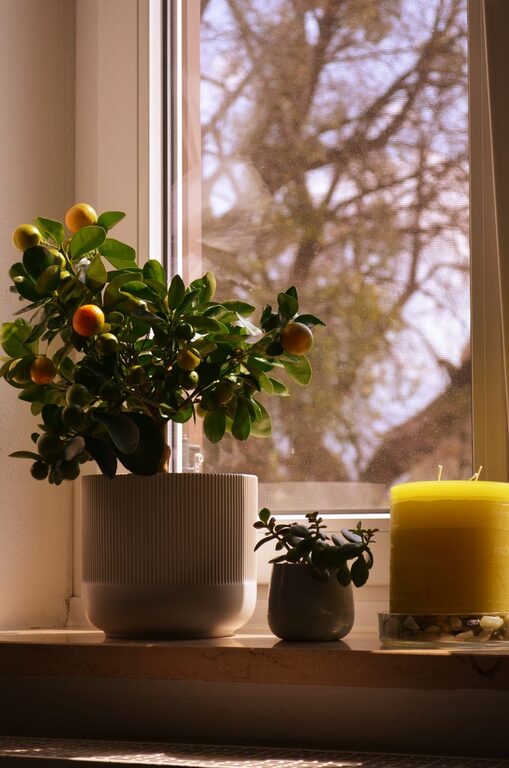
Bringing plants into your home is one of the simplest and most rewarding ways to refresh your living space. Plants add natural beauty, improve air quality, and create a calming atmosphere. Whether you’re a seasoned plant parent or new to indoor gardening, this guide will help you choose the right plants and care for them to transform your home.
Why Add Plants to Your Home?
Plants do more than just look good. They can:
– Purify the air by filtering toxins
– Increase humidity in dry environments
– Reduce stress and boost mood
– Add color and texture to your decor
– Create a connection with nature indoors
These benefits make plants a fantastic addition to any room, from living rooms and kitchens to bedrooms and bathrooms.
Choosing the Right Plants for Your Space
Not all plants thrive in every environment. When selecting plants, consider:
1. Light Conditions
Assess how much natural light your rooms receive. For example:
– Bright light areas: South- or west-facing windows
– Indirect light: East-facing windows or shaded spots
– Low light: Rooms further from windows or with north-facing exposure
Some plants prefer bright sunlight, while others thrive in shade.
2. Your Lifestyle and Experience
If you don’t have much time for plant care, choose low-maintenance plants such as:
– Snake plant
– ZZ plant
– Pothos
– Spider plant
For those who enjoy a challenge, flowering or tropical plants can be rewarding.
3. Space Available
Consider the size of the space. Small plants like succulents work well on shelves or desktops. Larger plants such as fiddle leaf figs or rubber trees can make a statement in open floor areas.
Popular Indoor Plants to Refresh Your Home
Here are some versatile and easy-care plants to get started:
– Snake Plant (Sansevieria): Tolerant of low light and infrequent watering.
– Pothos: Thrives in indirect light and is very forgiving.
– Spider Plant: Great for beginners and helps clean the air.
– Peace Lily: Adds elegance with white blooms and tolerates shade.
– Philodendron: Comes in many varieties and is easy to grow.
– Succulents: Require bright light and minimal water.
How to Incorporate Plants into Your Home Decor
Plants can be integrated into your decor in many creative ways:
1. Use Different Container Styles
Choose pots that complement your home’s style. Ceramic, terracotta, glass, or woven baskets all add different textures and colors.
2. Create Plant Groupings
Group plants of varying heights and leaf shapes to add visual interest. Mixing several plants together creates a mini indoor garden feel.
3. Hang Plants
Use macramé hangers or wall-mounted shelves to display trailing plants like pothos or string of pearls. This saves floor space and adds vertical interest.
4. Highlight with Furniture
Place plants near key furniture like sofas, desks, or dining tables to enhance the space without crowding it.
Basic Plant Care Tips
To keep your plants healthy and thriving, follow these simple care tips:
– Watering: Check soil moisture before watering. Overwatering is a common mistake.
– Lighting: Place plants where they receive appropriate light for their needs.
– Fertilizing: Feed plants monthly during the growing season with a balanced fertilizer.
– Cleaning: Wipe leaves occasionally to remove dust and allow better light absorption.
– Pruning: Remove dead or yellow leaves to encourage new growth.
Troubleshooting Common Issues
Plants can sometimes develop problems. Here’s how to handle a few common issues:
– Yellow Leaves: Often a sign of overwatering or poor drainage. Let soil dry out before watering again.
– Wilting: May mean underwatering or root problems. Check soil moisture and roots.
– Brown Tips: Could indicate dry air or inconsistent watering. Increase humidity or adjust watering habits.
– Pests: Look for small insects on leaves and treat with mild soap and water or insecticidal soap if needed.
Creating a Plant Care Routine
Consistency is key to keeping your indoor plants happy:
- Check soil moisture once or twice a week.
- Rotate pots monthly to ensure even light exposure.
- Clean leaves every 2-3 weeks.
- Fertilize during spring and summer months.
- Observe plants regularly for signs of stress or disease.
Final Thoughts
Refreshing your home with plants is an enriching and enjoyable project. With a little planning and care, you can create a green oasis that improves your space and wellbeing. Start small, learn as you grow, and enjoy the beauty plants bring into your everyday life.
Happy gardening!